
WHMIS Pictograms
Learn to recognize and understand the nine GHS pictograms used in WHMIS 2015 and what they mean for your safety.
Learning Objectives
- Recognize all nine WHMIS 2015 pictograms
- Understand what each pictogram represents
- Identify examples of products associated with each pictogram
- Know what actions to take when you see each pictogram
- Understand how pictograms appear on labels and in safety data sheets
1Introduction to WHMIS Pictograms
Pictograms are the most immediately recognizable element of WHMIS 2015 labels. These standardized symbols provide instant visual communication about the types of hazards a product presents. Unlike text, which requires reading and language comprehension, pictograms can be recognized at a glance, making them a powerful tool for hazard communication in diverse workplaces.
WHMIS 2015 uses pictograms from the Globally Harmonized System (GHS), which means the same pictograms appear on hazardous products around the world. Each pictogram consists of a black symbol on a white background, framed within a red diamond border. This distinctive red diamond border immediately draws attention and signals that the product presents a hazard requiring caution.
Nine pictograms are used in WHMIS 2015, each representing one or more hazard classes. Some pictograms represent primarily physical hazards, some represent health hazards, and one represents biohazardous infectious materials. A single product may display multiple pictograms if it presents multiple types of hazards. For example, a solvent might display both the flame pictogram (flammable) and the exclamation mark pictogram (irritant).
Understanding pictograms is essential for workplace safety. When you see a pictogram on a product label, you should immediately recognize the general type of hazard and take appropriate precautions. This might mean ensuring adequate ventilation, using specific personal protective equipment, keeping the product away from ignition sources, or handling it with particular care to avoid spills or exposure.
2Physical Hazard Pictograms
The flame pictogram depicts a stylized fire and indicates that a product is flammable. This is one of the most commonly encountered pictograms in workplaces. It applies to flammable gases, aerosols, liquids, and solids. When you see this pictogram, keep the product away from heat, sparks, open flames, and hot surfaces. Ensure adequate ventilation and eliminate ignition sources in the work area. Common examples include gasoline, paint thinners, acetone, aerosol spray products, and certain wood dusts.
The flame over circle pictogram shows a flame above a circle and warns that a product is an oxidizer. Oxidizing materials do not burn themselves, but they can cause or intensify fires by providing oxygen to support combustion. These products must be kept away from flammable and combustible materials. They should be stored in cool, well-ventilated areas and never mixed with incompatible materials. Examples include oxygen cylinders, hydrogen peroxide, pool chlorine, and some laboratory chemicals.
The gas cylinder pictogram shows a gas cylinder and indicates that a product contains gas under pressure. Gases under pressure can present multiple hazards. Compressed gases can burst containers if heated, causing flying debris and releasing the gas suddenly. Liquefied gases can cause cold burns (frostbite) if they contact skin. Dissolved gases may have properties that make them dangerous if released. Always secure gas cylinders properly, store them in cool areas, and protect them from physical damage. Examples include welding gases, propane cylinders, carbon dioxide tanks, and compressed air.
The exploding bomb pictogram shows an explosion and indicates explosive materials or self-reactive substances. These materials can explode or violently decompose due to heat, shock, friction, or contamination. They require extremely careful handling and often special storage conditions. Keep them away from heat, sparks, and sources of shock or friction. Examples include fireworks, certain organic peroxides, and self-reactive substances used in chemical manufacturing. The corrosion pictogram shows a chemical substance causing corrosion damage to a surface and a hand, indicating materials that are corrosive to metals or cause skin corrosion or serious eye damage.
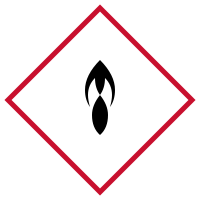
Flame
Flammable materials
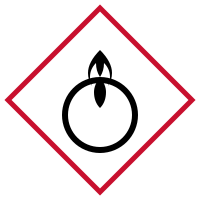
Flame Over Circle
Oxidizing materials
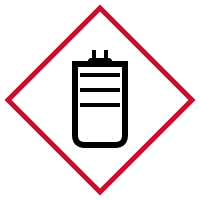
Gas Cylinder
Gases under pressure
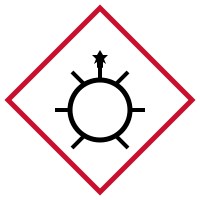
Exploding Bomb
Explosive materials
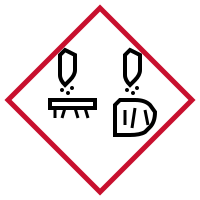
Corrosion
Corrosive materials
3Health Hazard Pictograms
The skull and crossbones pictogram is perhaps the most universally recognized hazard symbol. It indicates acute toxicity, meaning the product can cause serious poisoning or death after a single exposure or multiple exposures over a short period. Products with this pictogram are highly toxic if swallowed, inhaled, or absorbed through the skin. Even small amounts can be harmful or fatal. Never eat, drink, or smoke when handling these products, and always use required personal protective equipment. Examples include pesticides, cyanide compounds, arsenic, and certain industrial chemicals.
The health hazard pictogram shows a human silhouette with a starburst on the chest and is one of the most serious warning symbols in WHMIS 2015. It indicates materials that can cause serious long-term health effects. These may include cancer (carcinogenicity), respiratory sensitization, reproductive damage, effects on unborn children, genetic defects (germ cell mutagenicity), damage to specific organs, or aspiration hazards that can cause chemical pneumonia. Because these effects may not appear immediately and can result from exposures over time, it is critical to follow all safety precautions consistently. Examples include asbestos, silica dust, benzene, formaldehyde, and lead compounds.
The exclamation mark pictogram warns of less severe health hazards, but "less severe" does not mean "not serious." This pictogram indicates materials that can cause skin or eye irritation, skin sensitization (allergic reactions), acute toxicity in higher (less dangerous) categories, or narcotic effects like drowsiness and dizziness. While these effects are generally not life-threatening, they can still cause significant discomfort and may lead to more serious problems if exposure continues. Use appropriate personal protective equipment and ensure adequate ventilation. Examples include ammonia solutions, isopropyl alcohol, fiberglass, chlorine bleach, and many paint thinners.
The biohazardous infectious materials pictogram shows the international biohazard symbol and is used for materials that contain organisms capable of causing disease in humans or animals. This pictogram appears on medical waste, laboratory cultures, blood and body fluids, and other biological materials that may be contaminated with infectious agents. These materials require special handling, containment, and disposal procedures to prevent the spread of disease. Always use appropriate personal protective equipment including gloves, and follow your workplace procedures for handling and disposing of biohazardous materials.
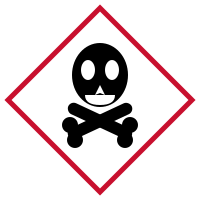
Skull and Crossbones
Acute toxicity (fatal or toxic)
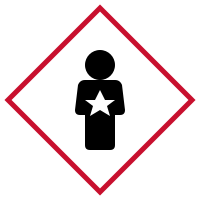
Health Hazard
Serious health hazards
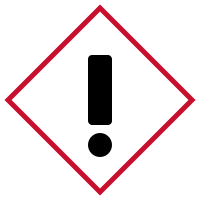
Exclamation Mark
Less serious health hazards
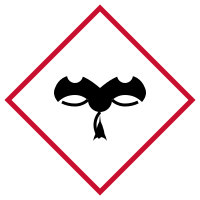
Biohazardous Infectious Materials
Materials containing organisms that pose a risk
4Using Pictogram Information in the Workplace
Recognizing pictograms is only the first step; workers must also know how to use pictogram information to work safely. When you encounter a product with pictograms, first stop and identify all pictograms present. Each pictogram tells you something important about the hazards. Next, consult the product label for more detailed information, including hazard statements and precautionary statements that provide specific guidance for that particular product.
Before using a product with hazard pictograms, always consult its safety data sheet (SDS). The SDS provides comprehensive information about the hazards indicated by the pictograms, including detailed descriptions of potential health effects, first aid measures, safe handling procedures, and required personal protective equipment. Section 2 of the SDS repeats the label information including pictograms, and other sections provide the technical details you need to work safely.
Different pictograms require different precautions. For flammability pictograms, eliminate ignition sources and ensure adequate ventilation. For corrosion pictograms, use chemical-resistant gloves and eye protection. For health hazard pictograms, use respiratory protection if required and follow exposure control measures strictly. For acute toxicity pictograms, prevent any exposure and have emergency response procedures in place. Your employer should provide specific training on the hazards in your workplace and the control measures required.
Remember that pictograms apply to the product as supplied. If you transfer a hazardous product to a different container, that container needs a workplace label that includes hazard information. If you are unsure what pictograms were on the original container, check the SDS or ask your supervisor. Never use a product if you cannot identify its hazards. When you see damaged labels or missing pictograms, report it to your supervisor immediately so the label can be replaced.
Complete Pictogram Reference
Flame
Flammable materials
Flame Over Circle
Oxidizing materials
Gas Cylinder
Gases under pressure
Corrosion
Corrosive materials
Exploding Bomb
Explosive materials
Skull and Crossbones
Acute toxicity (fatal or toxic)
Health Hazard
Serious health hazards
Exclamation Mark
Less serious health hazards
Biohazardous Infectious Materials
Materials containing organisms that pose a risk
Key Facts
All nine WHMIS pictograms feature a black symbol on white background inside a red diamond border
Pictograms provide instant visual communication about hazards without requiring language skills
A single product may display multiple pictograms if it presents multiple types of hazards
The skull and crossbones indicates acute toxicity (highly poisonous materials)
Always consult the full label and safety data sheet to understand the complete hazard picture